
Have you noticed your jaw feels tight after using cocaine? Maybe your teeth ache the next morning, your face feels sore, or someone has mentioned that you’ve been grinding your teeth without realizing it.
These symptoms can be unsettling, especially if they’ve started happening more often. If you’re searching for answers, you’re not alone. Learning about cocaine addiction treatment can help you understand not only why these physical changes happen but also what they may be telling you about your health and substance use.
What Is Cocaine Jaw?
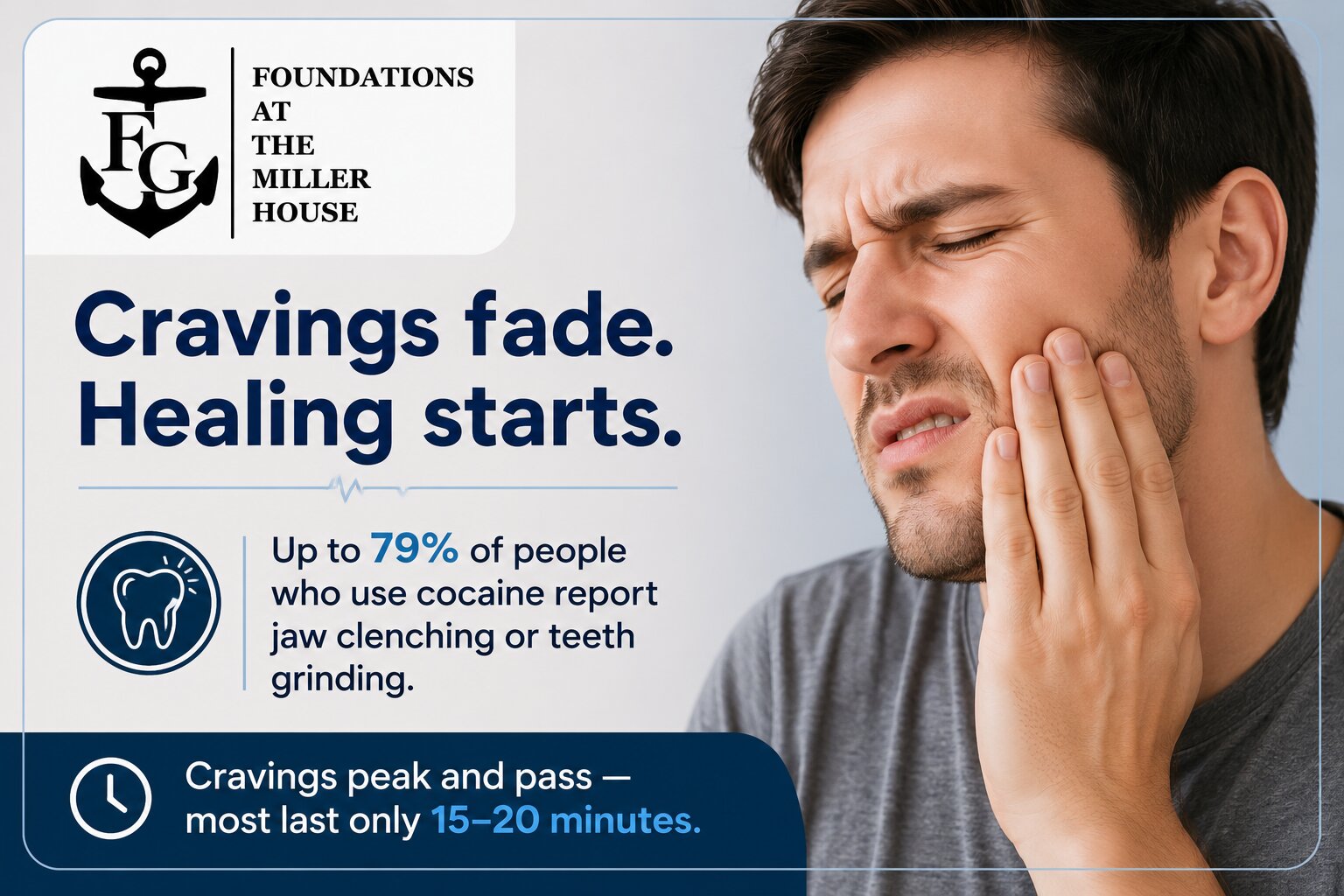
The term cocaine jaw refers to the involuntary jaw clenching, teeth grinding (bruxism), and muscle tension that many people experience during or after using cocaine.
Some people notice they can’t relax their jaw. Others wake up with:
- Jaw soreness
- Headaches
- Tooth pain
- Facial muscle fatigue
- Difficulty opening or closing the mouth comfortably
These symptoms can last for hours after cocaine’s immediate effects wear off, and with repeated use, they may become more frequent or severe.
Unlike intentionally clenching your teeth during stress, cocaine jaw happens because the drug overstimulates the nervous system, making it difficult for muscles to fully relax.
Why Does Cocaine Make Your Jaw Clench?
Cocaine is a powerful stimulant that dramatically increases levels of dopamine, norepinephrine, and other neurotransmitters in the brain.
These chemical changes don’t only affect mood and energy—they also affect muscle activity.
When cocaine stimulates the central nervous system, it can cause:
- Increased muscle tension
- Involuntary muscle contractions
- Repetitive jaw movements
- Teeth grinding
- Difficulty relaxing facial muscles
Another factor is vasoconstriction, which means cocaine narrows blood vessels throughout the body.
Reduced blood flow to the jaw muscles may contribute to muscle fatigue, soreness, and prolonged tension after the drug’s effects begin wearing off.
The combination of overstimulated muscles and reduced circulation creates the uncomfortable clenching sensation many users describe.
What Damage Can Jaw Clenching Cause?
Occasional jaw tension may improve once the drug wears off.
Repeated episodes, however, can cause lasting damage.
Tooth Damage
Grinding places tremendous pressure on the teeth.
Over time, that pressure can lead to:
- Worn enamel
- Chipped or cracked teeth
- Increased tooth sensitivity
- Loose dental fillings
- Broken crowns
- Higher risk of cavities
Because enamel does not grow back, some dental damage may require restorative treatment.
TMJ Problems
The temporomandibular joints (TMJs) connect the lower jaw to the skull.
Repeated clenching can strain these joints and surrounding muscles, increasing the risk of temporomandibular joint disorder (TMJ disorder).
Symptoms may include:
- Clicking or popping when opening the mouth
- Jaw locking
- Pain while chewing
- Limited jaw movement
- Facial pain that spreads into the ears or neck
Chronic Muscle Pain
When muscles remain tense for extended periods, inflammation and soreness can persist long after cocaine has left the bloodstream.
Some people develop:
- Frequent tension headaches
- Neck pain
- Facial tenderness
- Ongoing jaw stiffness
These symptoms may interfere with eating, sleeping, and everyday comfort.
Does Cocaine Jaw Go Away?
In many cases, yes.
If cocaine use stops, the involuntary muscle stimulation that causes jaw clenching usually improves as the nervous system begins returning to normal.
Many people notice:
- Less jaw tightness
- Fewer headaches
- Better sleep
- Reduced teeth grinding
However, recovery depends on what damage has already occurred.
Cracked teeth, severe enamel loss, and TMJ disorders may not completely reverse without dental or medical treatment.
This is one reason early recognition matters.
Addressing cocaine use before physical damage becomes permanent may help protect both oral health and overall well-being.
What Does Cocaine Jaw Signal About Your Health?
A sore jaw might seem like a minor inconvenience.
Clinically, however, visible physical effects often suggest that cocaine is having a significant impact on the body.
While jaw clenching alone does not diagnose a substance use disorder, it can indicate that the drug is repeatedly overstimulating the nervous system.
People experiencing cocaine jaw may also notice:
- Trouble sleeping
- Loss of appetite
- Increased anxiety
- Racing thoughts
- Irritability after use
- Needing more cocaine to achieve the same effect
These changes deserve attention—not because they define you, but because they can indicate that cocaine use is becoming more harmful.
If physical symptoms are becoming noticeable, it’s worth honestly asking whether the pattern of use has also begun changing.
When Is It Time to Seek Help?
Many people don’t reach out because of cravings alone.
Instead, they seek help after noticing changes they can’t ignore:
- Persistent jaw pain
- Dental problems
- Difficulty sleeping
- Mood changes
- Declining physical health
- Increasing frequency of cocaine use
Recognizing these signs is not a failure.
It’s often the moment people begin understanding that cocaine is affecting more than just the hours they spend using it.
For individuals who need structured support, residential addiction treatment in Falmouth MA provides a safe environment to address both the physical and psychological effects of cocaine use while preparing for long-term recovery.
Recovery Involves More Than Stopping the Drug
Stopping cocaine allows the body to begin healing, but recovery extends beyond physical symptoms.
Many people also work on:
- Managing cravings
- Understanding triggers
- Treating anxiety or depression
- Building healthier coping skills
- Repairing relationships
- Creating relapse prevention strategies
Recovery is a process, and every step toward understanding what your body is telling you can become part of that process.
Final Thoughts
Jaw clenching may seem like an isolated side effect, but it often reflects the way cocaine affects the brain, muscles, blood vessels, and nervous system. While the clenching itself may improve after stopping cocaine, the damage to teeth and jaw joints can become lasting if use continues.
Paying attention to physical warning signs is not about judging yourself. It’s about recognizing that your body is asking for help before more serious problems develop.
If cocaine is affecting your body — your jaw, your teeth, your sleep — that’s a signal worth taking seriously. Our cocaine addiction treatment on Cape Cod team provides confidential, residential care. You don’t have to keep going like this. Call us today at (774) 252-6966 to learn how Foundations at the Miller House can help you take the next step.
Frequently Asked Questions
Is jaw clenching common with cocaine use?
Yes. Jaw clenching and teeth grinding are well-recognized effects of cocaine and other stimulant drugs. They occur because the drug overstimulates the nervous system, making it difficult for muscles to relax normally.
Can cocaine permanently damage your teeth?
It can. Repeated grinding may wear down enamel, crack teeth, damage dental restorations, and contribute to long-term oral health problems. While stopping cocaine can prevent further damage, existing dental injuries often require professional treatment.
Will cocaine jaw disappear after stopping cocaine?
For many people, muscle tension and involuntary clenching improve after cocaine use stops. However, any damage to the teeth, jaw joints, or surrounding muscles may not fully heal without dental or medical care.