

Some realizations arrive quietly.
Not during a crisis. Not in a dramatic moment. Just a quiet thought that keeps coming back: I can’t keep doing this.
If you’re here, reading something like this, there’s a good chance part of you already knows things need to change. Many people reach this point before they begin exploring options like a live-in treatment environment, where recovery can finally become the main focus instead of something squeezed into an already overwhelming life.
And that realization—painful as it is—can also be the beginning of hope.
The Moment Honesty Finally Breaks Through
For a long time, most people manage addiction by telling themselves smaller versions of the truth.
They say things like:
- “I’ll get control of this soon.”
- “I just need to try harder.”
- “Other people are worse off than me.”
Those thoughts can keep things going for a while. They soften the fear and help us push through the day.
But eventually, something shifts.
Maybe it’s the realization that the same promises keep repeating. Maybe it’s noticing how tired you feel all the time. Maybe it’s seeing how your life has slowly started revolving around surviving the next emotional crash.
That moment of honesty can feel terrifying.
But it’s also powerful.
Because real change usually begins with the courage to stop pretending things are fine.
When “Trying Harder” Stops Working
Most people who struggle with addiction are not lazy or careless.
In fact, the opposite is usually true.
Many people try everything before they consider asking for help. They set rules for themselves. They attempt to cut back. They promise themselves this time will be different.
And sometimes it works—for a little while.
But addiction often strengthens patterns in the brain that make long-term change incredibly difficult without deeper support. What once felt manageable starts feeling impossible.
The cycle begins to repeat:
- A difficult emotional moment
- A coping behavior that brings temporary relief
- Guilt or regret afterward
- Another promise to change
Eventually people realize the problem isn’t effort. They’ve already been trying harder than anyone can see.
The problem is trying to fight a complex struggle completely alone.
The Quiet Ways Addiction Shrinks Your Life
Addiction rarely destroys everything overnight.
More often, it slowly narrows the world around you.
Things that once mattered begin slipping away. Hobbies stop feeling interesting. Social connections become harder to maintain. Even simple routines start requiring more energy than they used to.
People often notice subtle changes like:
- Feeling emotionally numb or overwhelmed most days
- Avoiding people who care about them
- Losing focus at work or school
- Feeling stuck in patterns they can’t break
Over time, life becomes smaller and smaller.
It’s like standing in a room where the walls slowly move closer together. You don’t always notice it happening at first—but eventually it becomes impossible to ignore.
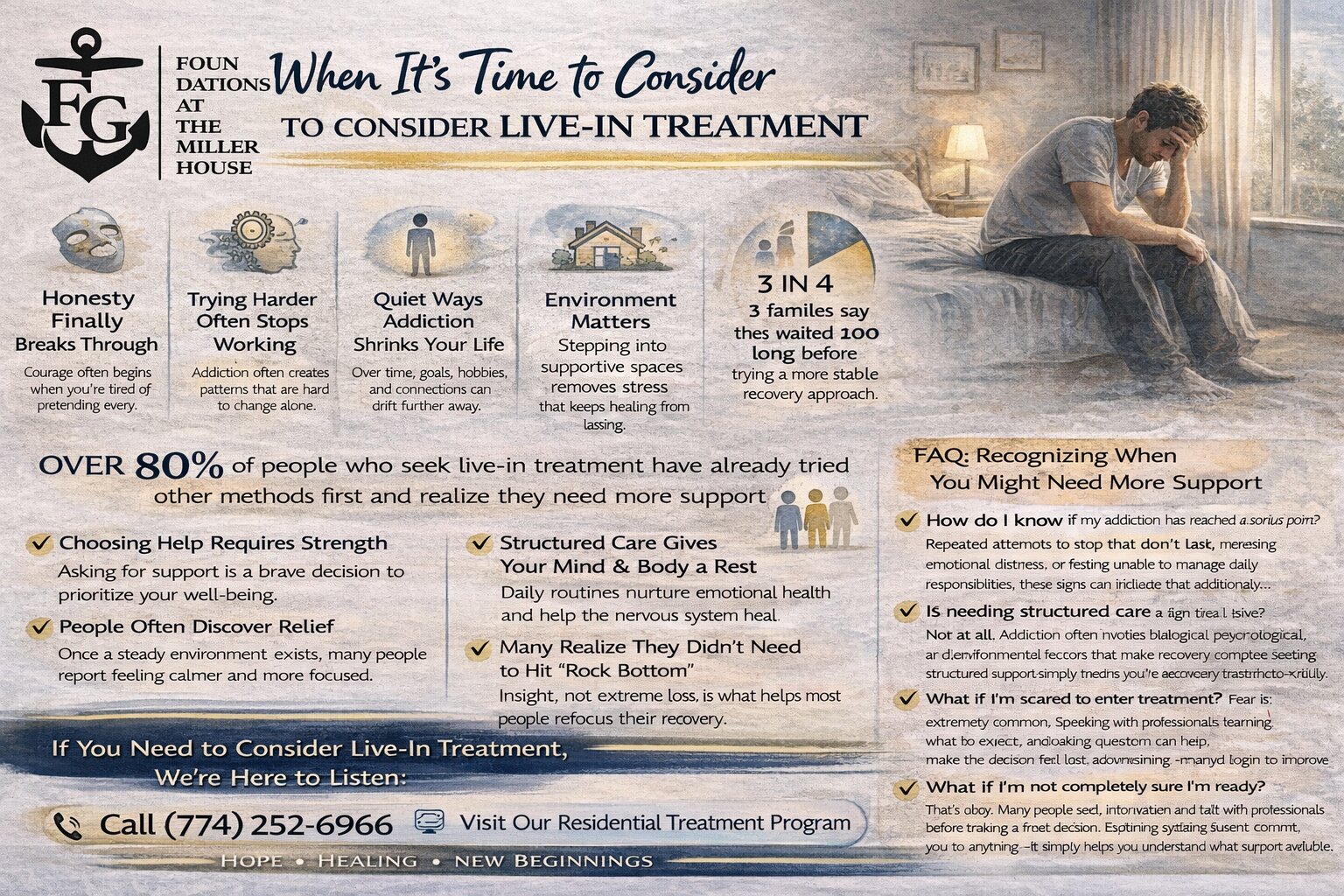
The Exhaustion That Lives Behind Addiction
From the outside, addiction can look chaotic or reckless.
From the inside, it often feels like exhaustion.
The mental negotiations alone can be draining. The constant internal debate. The promises. The regret. The effort of trying to appear okay while quietly struggling.
Many people describe a moment when they simply feel worn out.
Not just physically tired, but emotionally drained from fighting the same battle every day.
That exhaustion is not weakness.
It’s a signal that the mind and body need support, rest, and a different environment to begin healing.
Why Environment Matters More Than Most People Realize
Healing rarely happens in the same environment where pain keeps repeating.
If the same stressors, triggers, and routines stay in place, the brain often falls back into familiar survival patterns.
This is why some people benefit from stepping into environments designed specifically for recovery. These spaces remove many of the daily pressures that make healing difficult.
Instead of juggling recovery alongside work stress, family expectations, and everyday responsibilities, a person can finally focus on stabilizing their mental and emotional health.
In some cases, this level of care happens within a residential treatment program, where individuals live on-site and receive consistent support while rebuilding healthier routines.
And for many people, that shift in environment becomes the turning point.
What People Often Discover After Entering Treatment
One of the most common reflections people share later is simple:
“I didn’t realize how overwhelmed I was until things finally slowed down.”
When life pauses long enough for the nervous system to settle, something remarkable can happen.
Sleep improves. Emotional reactions begin making more sense. Conversations become easier. The mind starts feeling clearer.
Instead of constantly surviving the next crisis, people finally have space to understand what led them there in the first place.
This doesn’t mean everything becomes easy overnight.
But the constant noise begins to quiet—and that quiet can create room for real healing.
The Myth of “Rock Bottom”
A harmful idea still exists in many conversations about addiction: the belief that someone has to lose everything before they deserve help.
This myth keeps many people stuck.
They think things aren’t “bad enough yet.” They compare themselves to others whose struggles look more extreme.
But waiting for absolute rock bottom can delay recovery for years.
The truth is that insight—recognizing that something isn’t working—is already enough reason to seek support.
You don’t have to destroy your life to earn the right to change it.
Choosing Help Is Not Giving Up
For many people, seeking treatment can feel like admitting defeat.
But the truth is the opposite.
Choosing help requires honesty. It requires courage. It requires the willingness to imagine a different future even when the present feels overwhelming.
Asking for support doesn’t mean you’ve failed.
It means you’ve decided your life matters too much to keep fighting alone.
And that decision—quiet as it may seem—can be the beginning of everything changing.
FAQ: Recognizing When You Might Need More Support
How do I know if my addiction has reached a serious point?
Many people notice patterns like repeated attempts to stop that don’t last, increasing emotional distress, or feeling unable to manage daily responsibilities. These signs can indicate that additional support may be helpful.
Is needing structured care a sign that I failed?
Not at all. Addiction often involves biological, psychological, and environmental factors that make recovery complex. Seeking structured support simply means you’re addressing those factors more fully.
What if I’m scared to enter treatment?
Fear is extremely common. Most people feel uncertain before taking this step. Speaking with professionals, learning what to expect, and asking questions can help make the decision feel less overwhelming.
Do people actually recover after serious addiction?
Yes. Many individuals rebuild meaningful, stable lives after receiving the right support. Recovery is rarely quick or perfect, but long-term improvement is absolutely possible.
How long does it take for things to start improving?
Everyone’s journey is different. Some people begin feeling small improvements within weeks once they are in a supportive environment, especially as sleep and emotional stability begin to improve.
What if I’m not completely sure I’m ready?
That’s okay. Many people seek information and talk with professionals before making a final decision. Exploring options doesn’t commit you to anything—it simply helps you understand what support is available.
If you’re starting to feel like trying harder alone isn’t enough anymore, you don’t have to face that realization by yourself. Call (774) 252-6966 or visit our residential treatment program services to learn more about your options and the support available.