

Sometimes the thought appears gently.
You’re not necessarily in crisis. You might still be functioning—working, showing up for people, getting through the day. But somewhere in the background of your mind, a question keeps returning:
What if I need more help than I’ve been giving myself?
Many people who are sober curious eventually reach this moment. It’s not always dramatic. Often it simply feels like a growing awareness that trying to manage everything alone isn’t working the way you hoped.
For some people, this is the point where they start exploring options like live-in treatment support—not because they’ve completely lost control, but because they want something steadier, safer, and more sustainable.
If that’s where you are right now, this guide can help you think through what the next step might look like.
Step 1: Notice When Curiosity Starts Turning Into Concern
A lot of recovery journeys begin with curiosity.
You might start asking small questions like:
- Do I feel better when I take a break from drinking or using?
- Why do I keep telling myself I’ll stop earlier than I actually do?
- Why does this take up so much space in my mind?
These questions don’t mean you’ve labeled yourself with anything. They simply mean you’re paying attention.
But sometimes curiosity deepens.
Instead of occasional thoughts, the concern becomes more persistent. You begin noticing patterns you didn’t see before. The same promises repeat. The same frustrations return.
When curiosity turns into ongoing concern, it’s often a signal that your mind is asking for something different—possibly more structure, more support, or more space to reset.
And noticing that early can be incredibly powerful.
Step 2: Pay Attention to How Much Mental Energy This Takes
One of the most surprising realizations for many people is how exhausting addiction can be—even if it looks manageable from the outside.
It’s not just about the behavior itself. It’s the constant mental negotiation around it.
The thoughts might sound familiar:
- I’ll just have one tonight.
- Tomorrow I’m definitely stopping.
- I’ll take a break next week.
At first, these internal conversations feel normal.
But over time they can start consuming more emotional energy than you realize. You might spend hours thinking about cutting back, regretting decisions, or planning how to handle the next situation.
Eventually the exhaustion becomes noticeable.
And when a struggle starts taking up this much space in your mind, it’s often a sign that the problem isn’t simply willpower. Your brain may be asking for a different environment—one where recovery is supported instead of constantly tested.
Step 3: Look Honestly at the Direction Your Life Is Moving
This step can feel uncomfortable, but it’s often the most revealing.
Instead of asking whether your situation is “bad enough,” try asking a different question:
If nothing changes, where will my life be a year from now?
Some people notice small warning signs during this reflection.
Maybe goals they once cared about feel distant. Maybe relationships are becoming strained. Maybe motivation is fading in ways that feel unfamiliar.
Addiction rarely destroys everything overnight.
More often it slowly redirects the direction of someone’s life without them fully realizing it. Plans get postponed. Priorities shift. The future starts feeling smaller.
Taking an honest look at that direction can help clarify whether it’s time to seek more support.
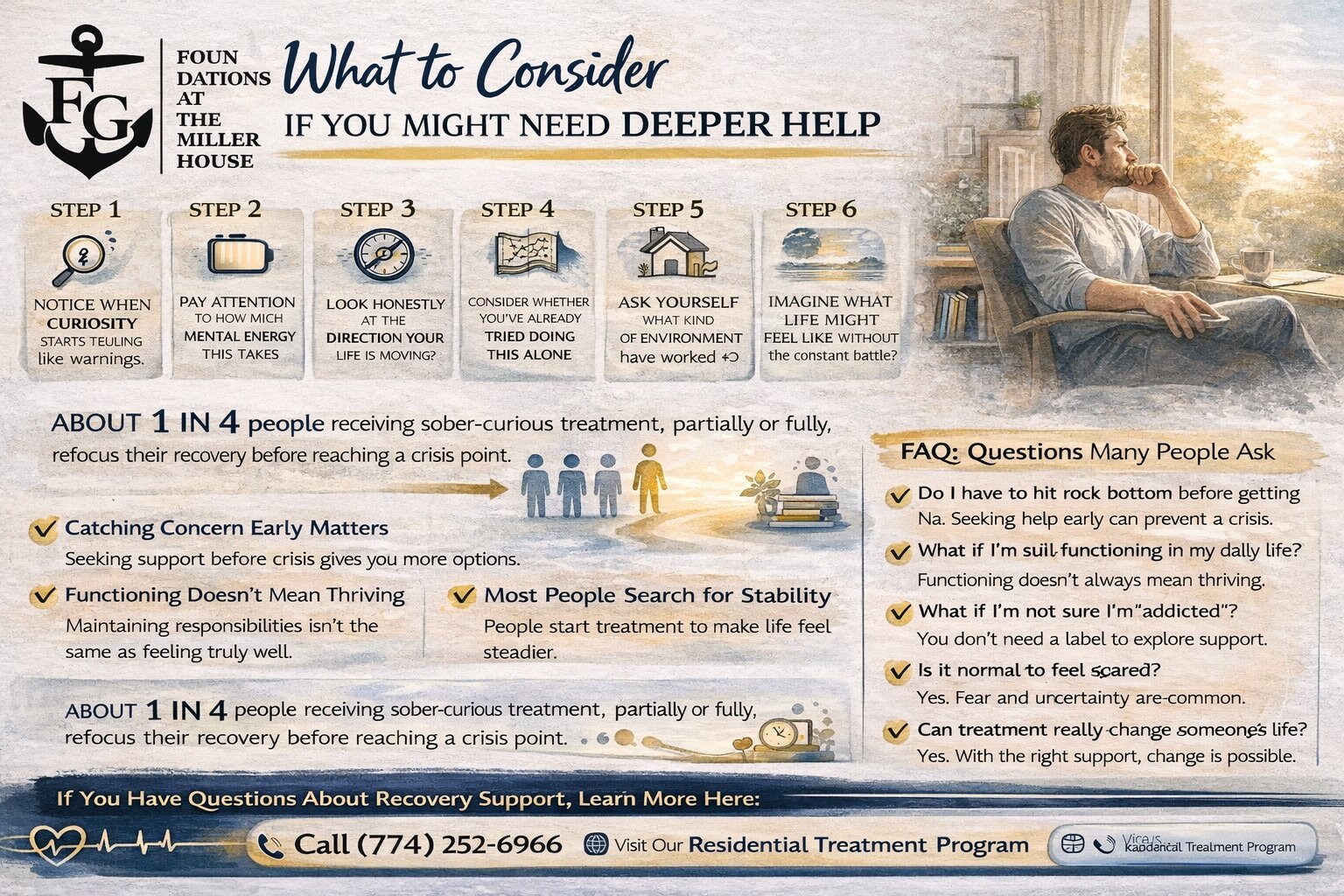
Step 4: Consider Whether You’ve Already Tried Doing This Alone
Most people don’t jump straight into treatment.
They try many other approaches first.
They attempt moderation. They take breaks. They promise themselves they’ll change their habits gradually. They try self-help strategies or personal discipline.
Sometimes these approaches help for a while.
But if you’ve already attempted several strategies and the same patterns keep returning, it might mean the challenge requires more structure than self-management alone can provide.
That’s when some people begin exploring more immersive recovery environments—places where daily routines, support systems, and therapeutic guidance create a stronger foundation for change.
In some cases, individuals consider a residential treatment program that allows them to temporarily step away from everyday pressures and focus fully on healing.
Step 5: Ask Yourself What Kind of Environment Helps You Succeed
Every person heals differently.
Some people thrive with flexible support. Others need more structure to stabilize physically and emotionally.
Think about the environments where you tend to do your best.
Do you perform better with clear routines?
Do you benefit from being surrounded by supportive people?
Do stressful environments make it harder to maintain healthy habits?
For many individuals, daily life is filled with triggers, pressures, and expectations that make change extremely difficult.
Stepping into a structured recovery setting can remove many of those pressures for a while, allowing the brain and body to reset.
And sometimes that reset becomes the turning point people have been searching for.
Step 6: Imagine What Life Might Feel Like Without the Constant Battle
Addiction can create a constant background noise in the mind.
Even when things appear calm externally, there’s often an internal tension: the effort to manage cravings, emotions, and decisions throughout the day.
When people step into supportive recovery environments, many notice something surprising.
The noise begins to quiet.
Sleep improves. Emotional reactions start making more sense. Instead of constantly fighting themselves, people begin learning how to respond to stress in healthier ways.
Recovery doesn’t erase life’s challenges.
But it often removes the constant battle that addiction creates.
And experiencing that quiet—even briefly—can remind people that a different kind of life is possible.
Step 7: Remember That You Don’t Need Absolute Certainty
One of the biggest barriers to seeking help is the belief that you must be completely certain before reaching out.
In reality, very few people feel 100% sure.
Many people start by simply asking questions. They gather information, talk with professionals, and explore what recovery support might look like.
This process doesn’t lock you into any decision.
It simply gives you clarity.
And sometimes clarity is exactly what someone needs to realize they don’t have to keep navigating everything alone.
FAQ: Questions People Often Ask While Considering Treatment
Do I have to hit rock bottom before getting help?
No. Many people seek help precisely because they want to avoid reaching that point. Early support can prevent situations from becoming more serious or damaging.
What if I’m still functioning in my daily life?
Functioning doesn’t always mean thriving. Many individuals who seek treatment are still working, maintaining relationships, and managing responsibilities—but they feel increasingly overwhelmed internally.
What if I’m not sure I’m “addicted”?
You don’t need a label to explore support. Many people begin recovery simply because they want a healthier relationship with substances or a more stable emotional life.
Is it normal to feel scared about taking this step?
Yes. Fear and uncertainty are extremely common. Seeking help involves change, and change can feel intimidating. Talking with professionals can often make the process feel more manageable.
What happens if I reach out but decide I’m not ready?
Reaching out simply opens a conversation. It allows you to ask questions, understand your options, and make decisions at your own pace.
Can treatment actually change someone’s life?
For many people, yes. Structured recovery environments can provide stability, emotional support, and coping skills that help individuals build lasting change over time.
If you’re beginning to wonder whether deeper support could help your recovery, you don’t have to figure that out alone. Call (774) 252-6966 or visit our residential treatment program services to learn more about the next steps available to you.